House fires
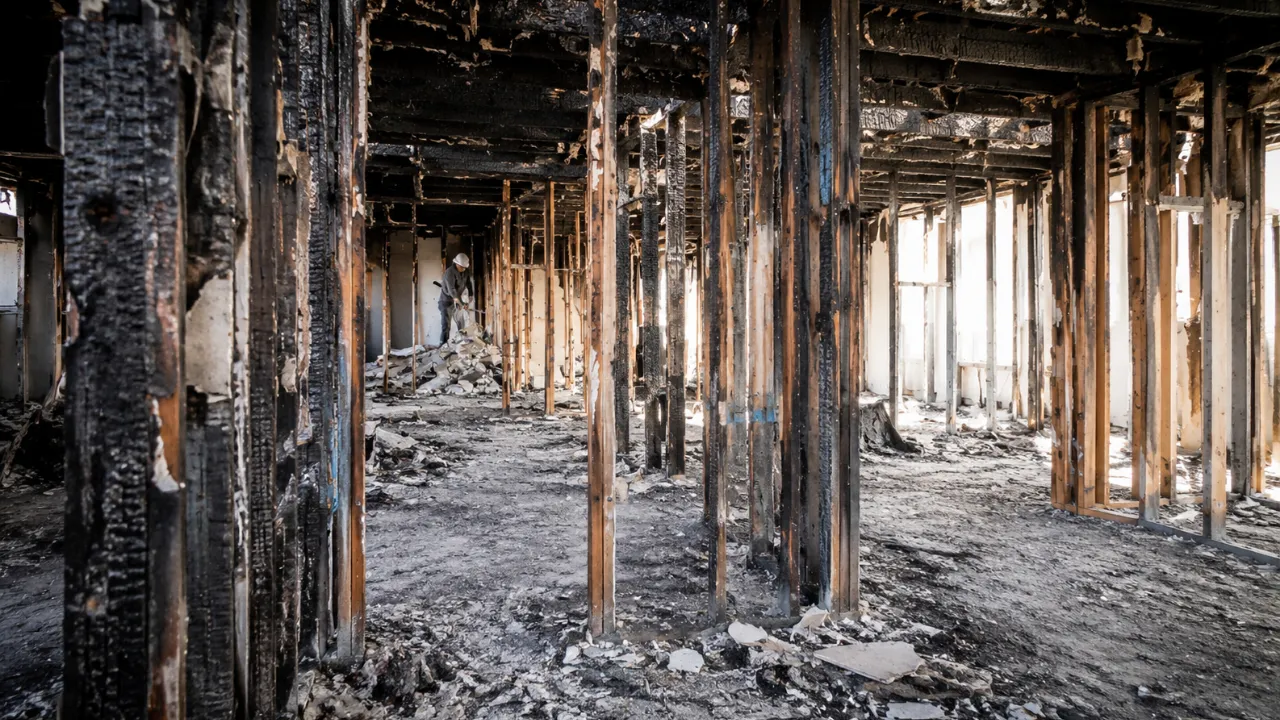
Removal of fire-damaged interior materials after the property is released for safe access.
Urgent demolition for damaged properties
EmergencyDemolition.ca provides controlled interior strip-outs, selective demolition, debris hauling, and cleanup after fire, water, storm, impact, and unsafe-building damage across Toronto and the Greater Toronto Area. Work begins after the site is safe to access and the required utility shutoffs, approvals, and hazardous-material checks are in place.
Emergency Demolition Services
The demolition scope is confirmed after site conditions, utilities, access, hazardous-material concerns, approvals, and the parts of the property that must remain protected have been reviewed.
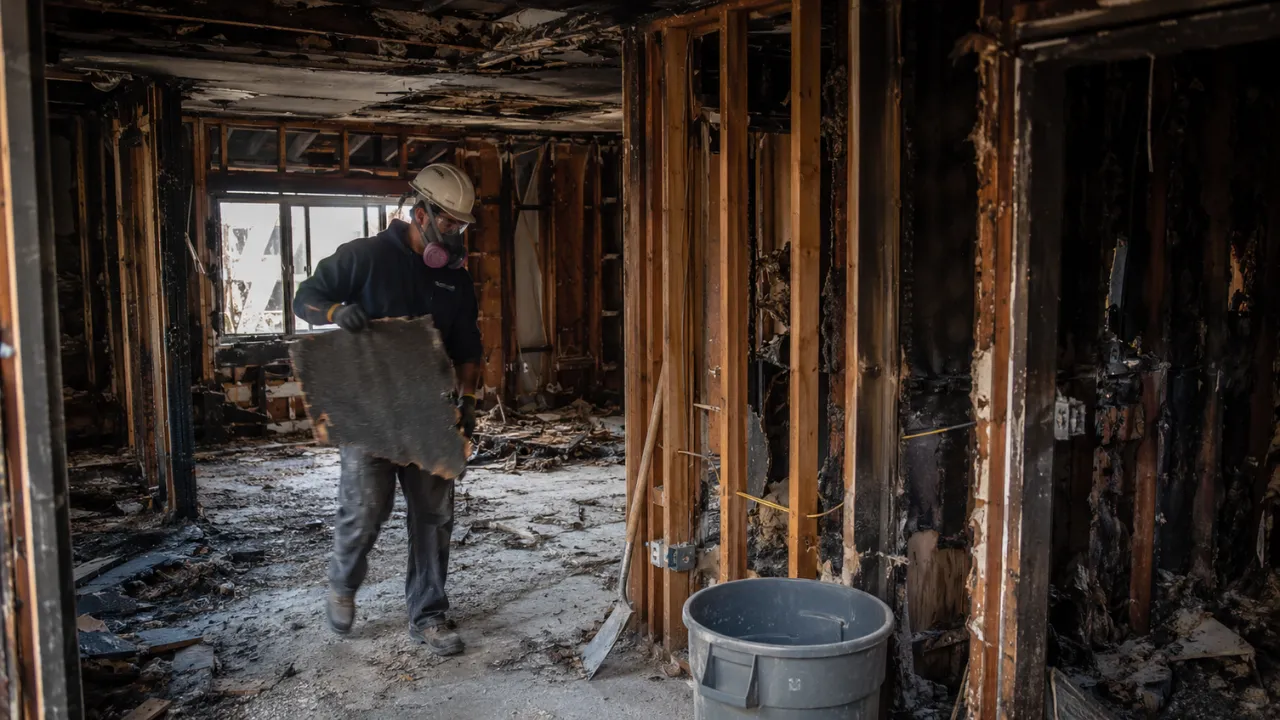
Controlled removal of fire-damaged drywall, insulation, flooring, ceilings, cabinetry, and other affected interior materials after the property has been released for safe access. Structural elements are removed only when included in the approved scope.
Removal of saturated drywall, insulation, flooring, cabinets, baseboards, and damaged finishes in basements, kitchens, bathrooms, and affected units so drying, remediation, and inspection can continue.
Selective removal of damaged roof sections, walls, ceilings, windows, and interior assemblies after storm, tree, or vehicle impact. Work is coordinated around temporary protection and stabilization requirements.
Controlled removal of unsafe or compromised wall, ceiling, roof, and framing sections after the required engineer, inspector, municipality, or other professional direction is in place.
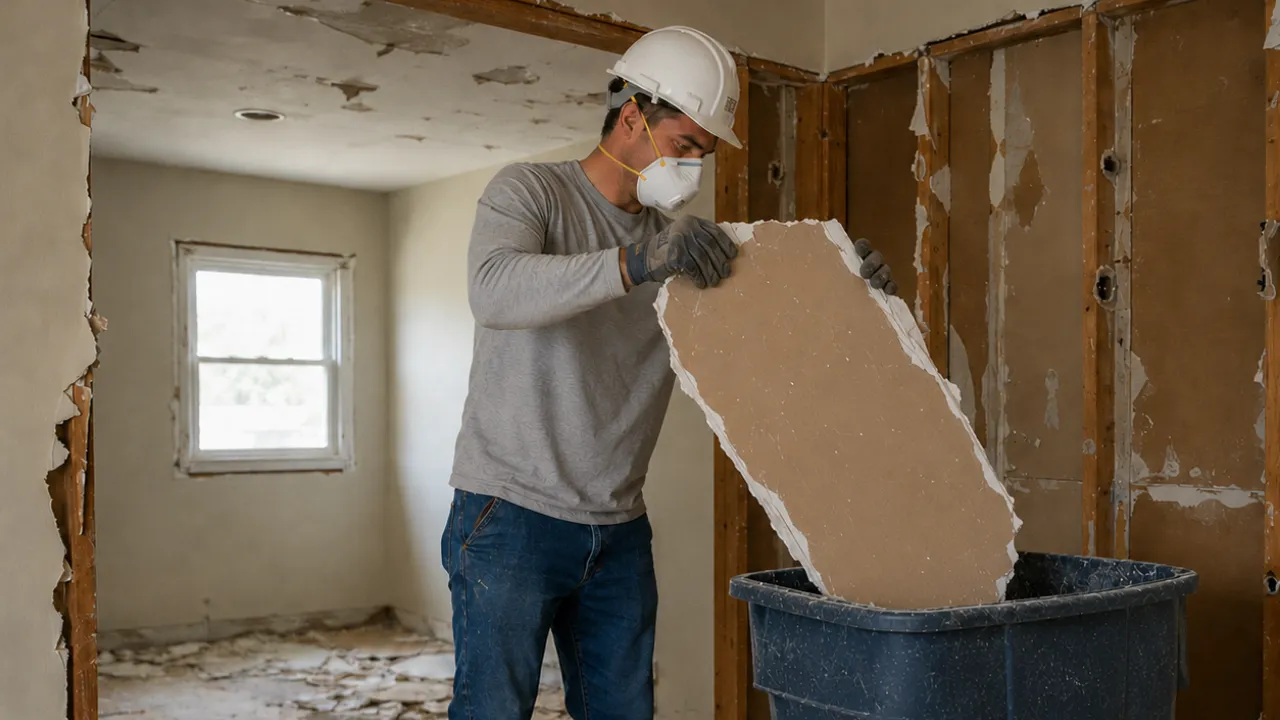
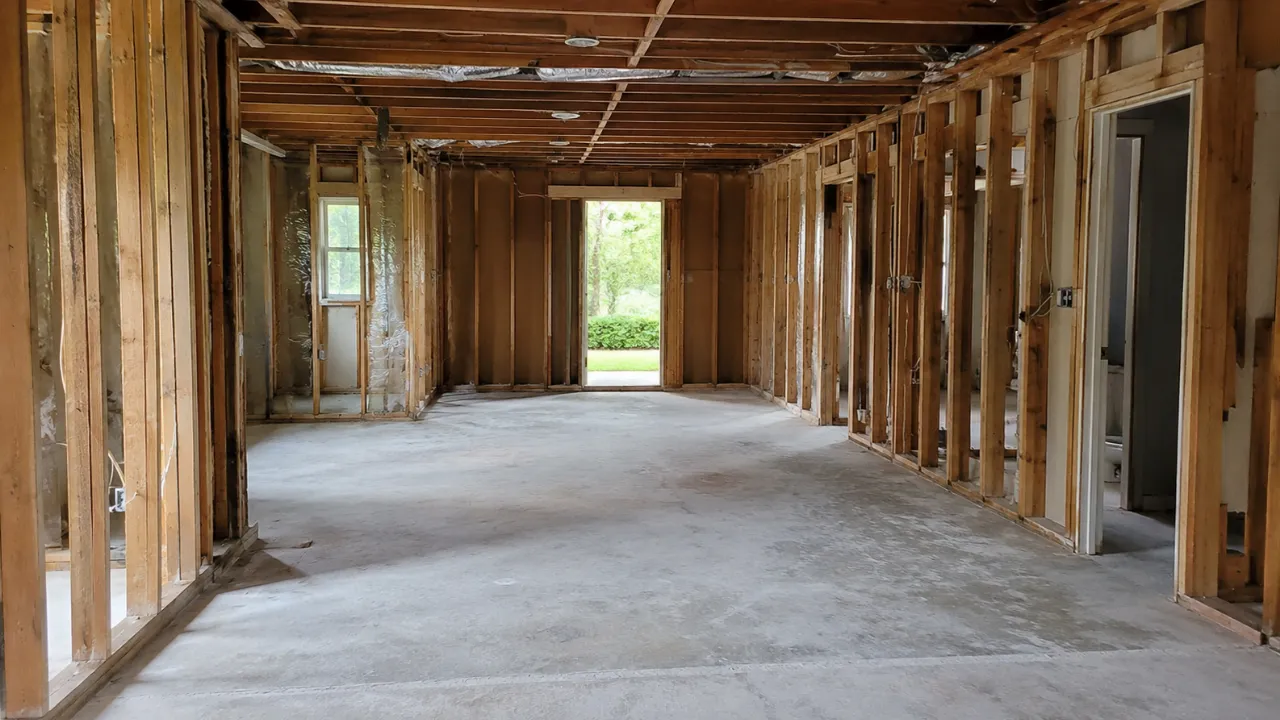
Urgent removal of damaged finishes, drywall, insulation, flooring, millwork, and approved non-structural assemblies to prepare the property for remediation, investigation, or reconstruction.
Demolition waste is collected, loaded, hauled away, and disposed of as part of the agreed scope. Final cleanup leaves the affected area accessible for adjusters, remediation crews, inspectors, and trades.
Common Damage Scenarios
Removal of fire-damaged interior materials after the property is released for safe access.
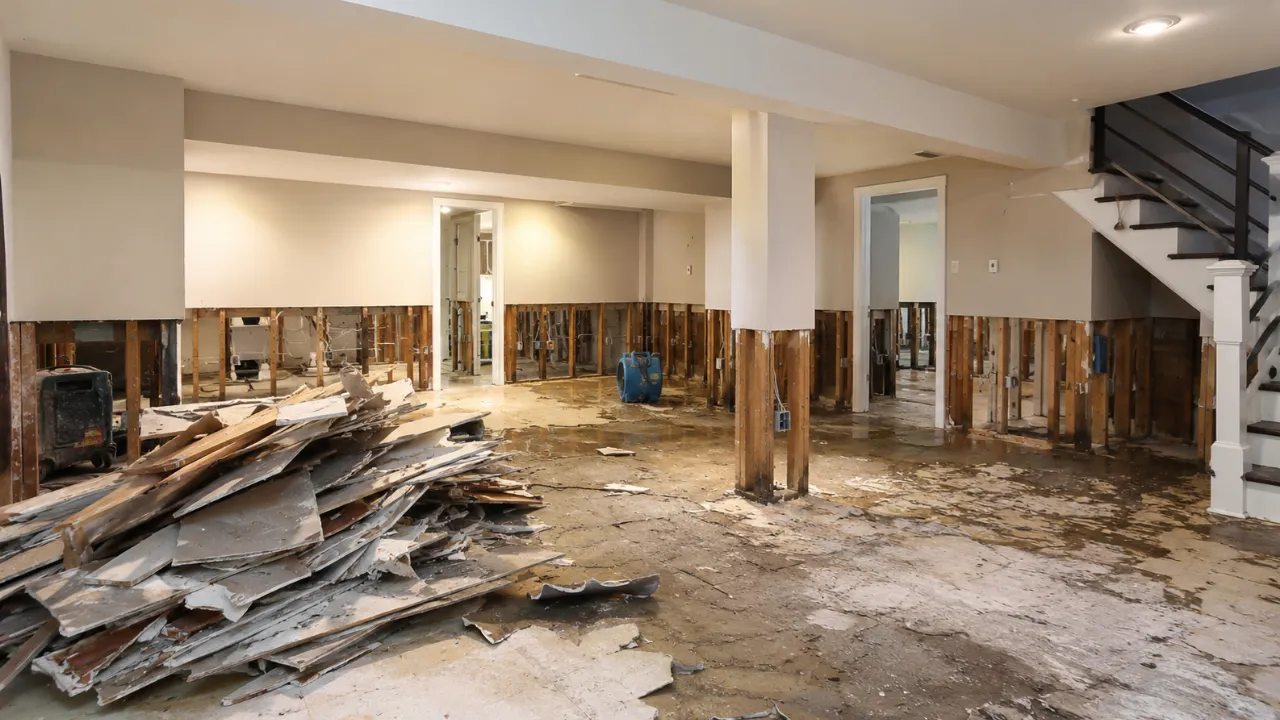
Removal of saturated finishes and assemblies so drying and remediation can continue.
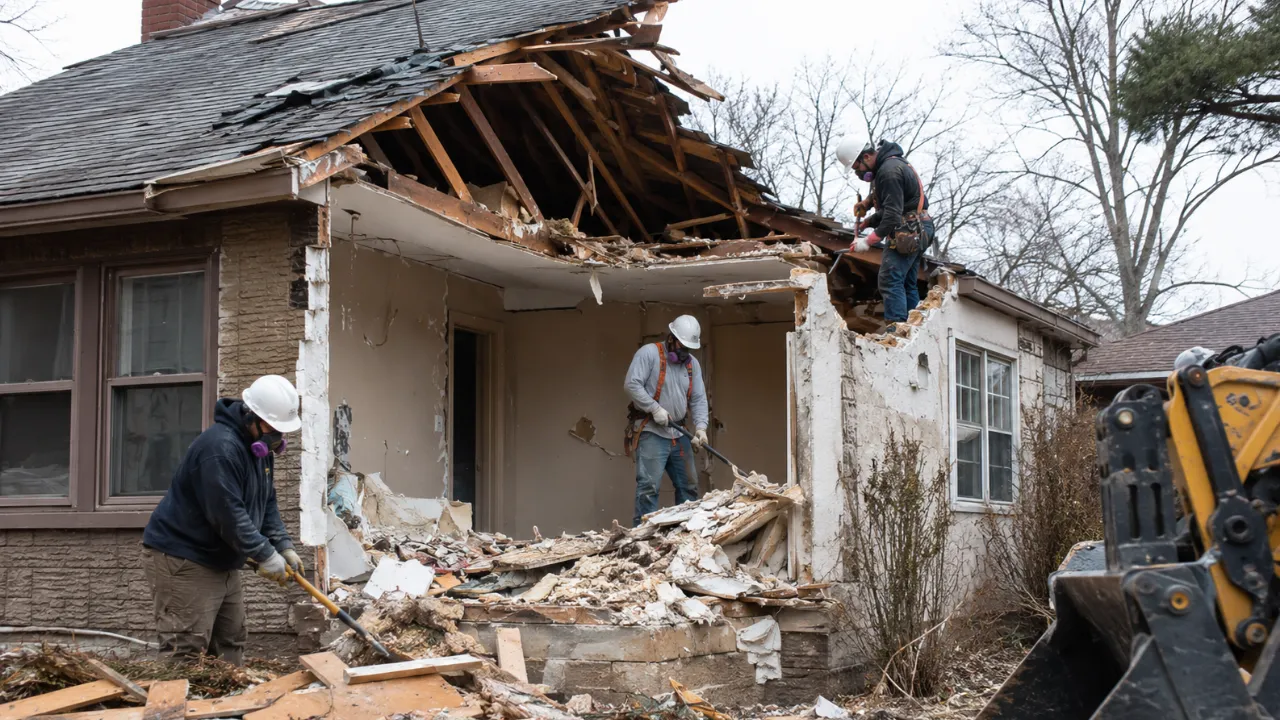
Selective removal of damaged sections after access, stabilization, and approvals are confirmed.
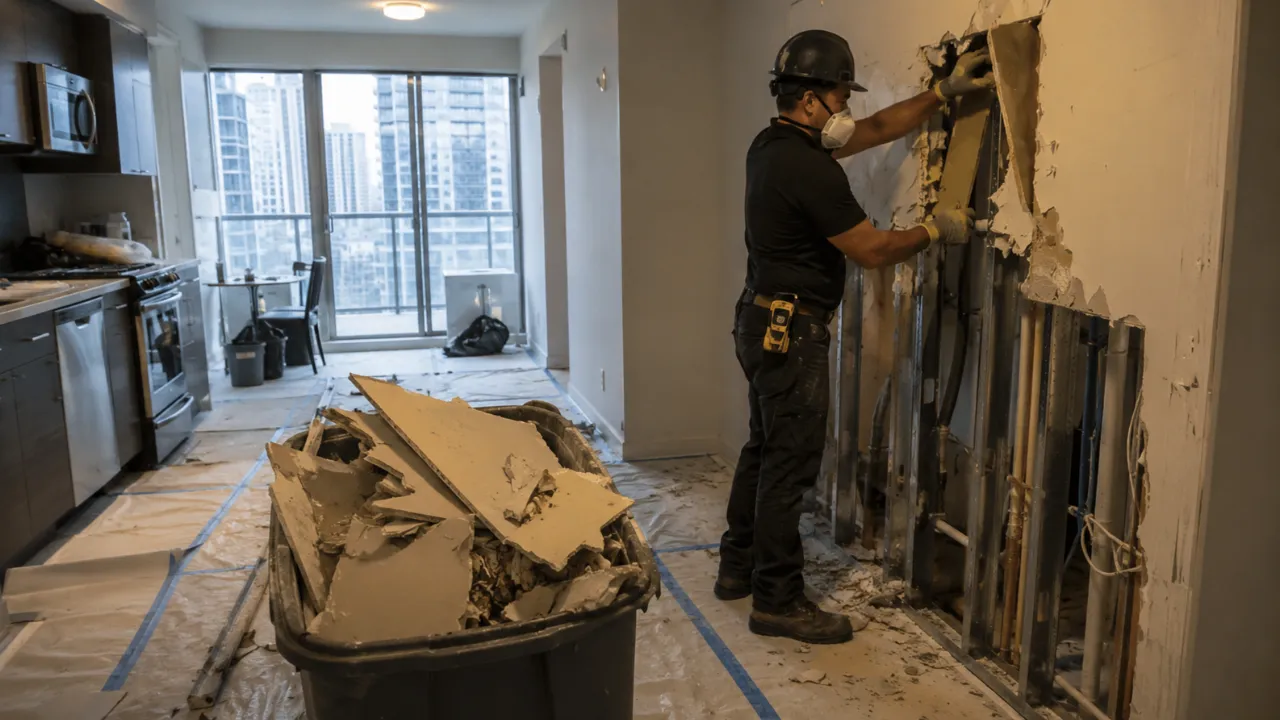
Demolition planned around building rules, common-area protection, access, and debris procedures.
Emergency Demolition Process
Share the property address, damage type, affected areas, access conditions, and available project contacts.
Site access, utilities, hazardous-material concerns, required approvals, and the demolition scope are reviewed before work begins.
Approved damaged materials are removed in a planned sequence with pathway, dust, debris, and adjacent-area protection.
Debris is hauled away and the affected area is left accessible for drying, remediation, inspection, or reconstruction.
Careful Emergency Removal
Emergency demolition is not simply fast removal. Damaged buildings may involve unstable materials, active utilities, water contamination, hazardous substances, restricted access, and areas that must remain protected. The removal plan must support the next inspection, drying, remediation, repair, or reconstruction step.
Service Area
Toronto, North York, Scarborough, Etobicoke, East York, Downtown, and Midtown.
Mississauga, Brampton, Oakville, Burlington, Milton, and Halton Region.
Vaughan, Richmond Hill, Markham, Aurora, Newmarket, and York Region.
Pickering, Ajax, Whitby, Oshawa, and Durham Region communities.
Frequently Asked Questions
Timing depends on site safety, access, utility conditions, hazardous-material concerns, required approvals, crew availability, and the demolition scope. No work should begin until the affected area is safe to enter.
Projects may involve fire damage, water intrusion, storm or tree impact, vehicle impact, collapsed finishes, damaged ceilings, unsafe interior assemblies, and selective structural removal within an approved scope.
Leave the affected area and contact the appropriate emergency service or authority. Do not enter areas affected by active fire, gas, live electrical hazards, collapse risk, or other immediate danger.
Project photos, scope notes, invoices, and disposal records can be provided when included in the work. Insurance coverage and payment decisions remain between the property owner and the insurer.
Requirements depend on the damage and demolition scope. Structural removal, unsafe-building work, and significant exterior demolition may require professional direction, municipal approval, or permits before work can proceed.
Suspected hazardous materials should be assessed before they are disturbed. If testing confirms a regulated material, it must be handled according to applicable requirements by appropriately qualified professionals.
Debris loading, hauling, disposal, and final cleanup can be included in the project scope so the affected area is accessible for the next phase.
Emergency demolition services are available across Toronto and the Greater Toronto Area, including Peel, York, Durham, and Halton communities.
Urgent Assessment Request
Use the form for urgent but non-life-threatening demolition requests. Include the damage type, affected areas, access conditions, utility status, and any available photos or project contacts.
If there is active fire, gas, live electrical danger, collapse risk, or another immediate threat, leave the area and contact emergency services first.
Call (647) 600-1129